

There is no single age at which every residential water line needs to be replaced.
If you’re wondering how long a water main line lasts, its age is only one part of the answer. Pipe material, installation, surrounding conditions, previous repairs and the actual condition of the line all influence how long a water service can remain reliable.
For homeowners, condition and repair history are generally more useful than relying on a universal lifespan number.
Pipe Material Matters
Water services have been installed using different materials over the years.
Those materials do not all age in the same way. This is one reason two homes of similar age can have very different water-line conditions.
If you own an older home and do not know what type of water service you have, that information may become useful when repairs or renovations are planned.
Installation Can Affect Longevity
Even a suitable pipe material needs to be installed correctly.
Connections, burial conditions, support and other installation factors can affect how an underground water service performs over time.
Surrounding Conditions Matter
A buried water line exists in a changing environment.
Soil conditions, ground movement, freezing exposure and other stresses can affect underground piping. Physical damage from later construction or excavation can also shorten the life of an otherwise serviceable line.
Repair History Provides Important Clues
Previous failures are particularly useful when assessing an older water service.
One isolated repair does not necessarily mean the line needs replacement.
Repeated leaks are different. If sections of the same line continue failing, the cost and disruption of repeated repairs should be compared with replacement.
Age Doesn’t Automatically Mean Replacement
Replacing a functioning water service solely because it has reached a certain age may not be necessary.
Likewise, assuming a line is safe simply because it is relatively young can overlook installation problems or physical damage.
The actual condition of the water service should drive the decision.
When Should an Older Water Line Be Assessed?
Pay attention to changes such as:
- Repeated leaks
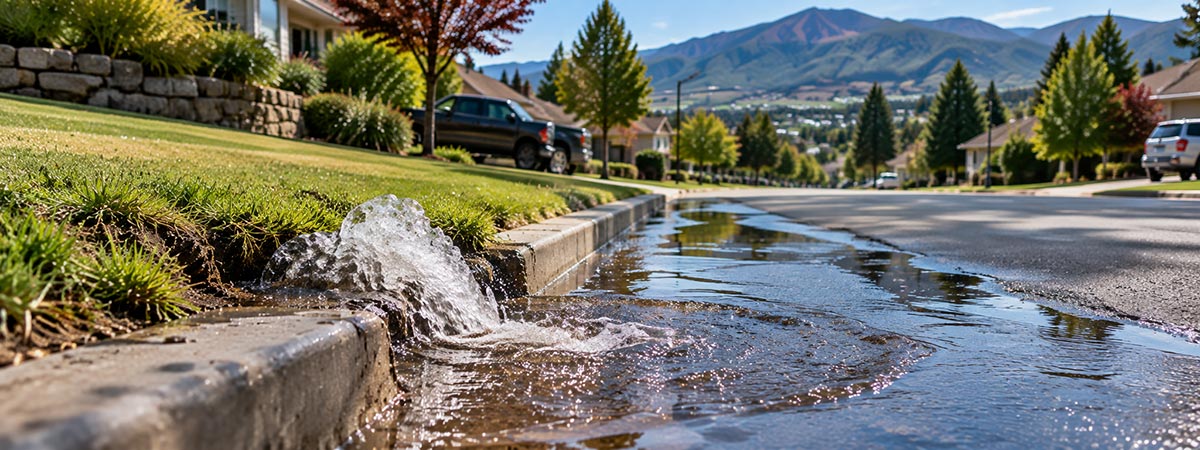
- Unexpected wet areas
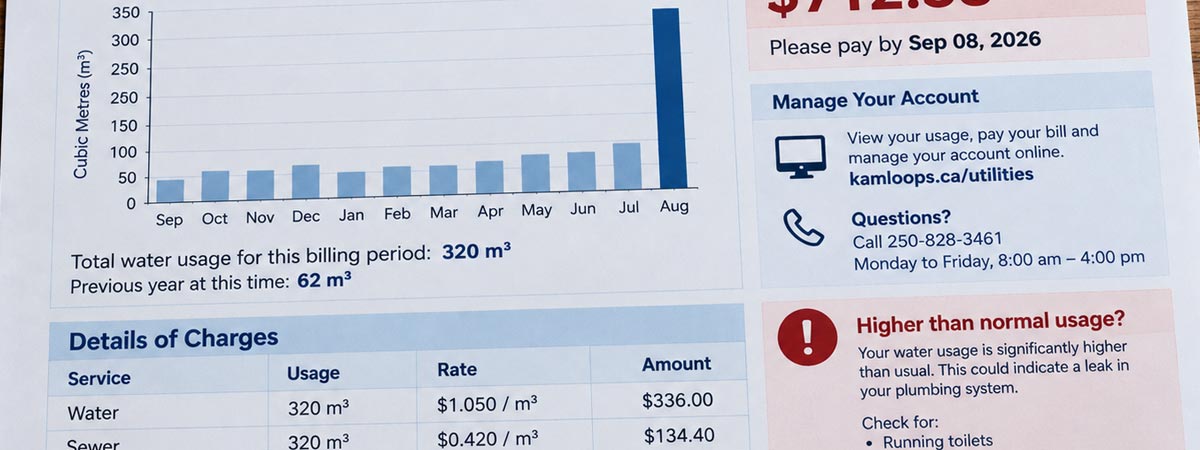
- Unexplained changes in water consumption
- Significant pressure changes
- A history of water-line repairs
If these symptoms develop, Stillwater’s water main repair services can help determine whether an isolated repair or broader replacement should be considered.
You can also review the common signs of a broken water main to understand what to watch for.
Planning Ahead With an Older Water Service
If you know your water line is older, you do not necessarily need to replace it pre-emptively.
Knowing its material, repair history and general condition can nevertheless help you make a more informed decision if a problem develops later.
Stillwater Plumbing & Heating provides water line assessment, repair, replacement and installation services in Kamloops. Call (250) 819-8247 if you are concerned about the condition of the water service supplying your property.
Frequently Asked Questions
There is no reliable single lifespan that applies to every water line. Material, installation, surrounding conditions and the line’s actual condition all matter.
Age alone does not necessarily mean replacement is required. Condition, previous failures and other factors should be considered.
Repeated failures are a reason to compare continued repairs with replacement, but the appropriate decision depends on the condition of the particular water service.
Recurring leaks, unexplained water use, pressure changes and wet areas can indicate a problem, but diagnosis is needed to determine the cause.
Why Is My Water Bill Suddenly So High?
One thought on “How Long Does a Water Main Line Last?”