

Your home’s main water shut-off valve is one of the most important plumbing controls to know about before something goes wrong.
You generally need to shut off the home’s water when water is escaping from the plumbing system and cannot be adequately stopped at an individual fixture.
Knowing when to use the main shut-off can help limit water damage during a plumbing emergency.
When a Pipe Bursts
A burst water pipe is one of the clearest reasons to shut off the main water supply.
If a pressurized pipe has failed, water can continue escaping until the supply is stopped.
Closing the main valve prevents additional water from entering the home’s plumbing system while the damaged pipe is addressed.
When a Leak Cannot Be Isolated
Not every leak requires shutting down the entire house.
Many fixtures have individual shut-off valves. If a toilet supply connection is leaking, for example, an accessible fixture shut-off may allow you to isolate that toilet while leaving the rest of the home supplied with water.
If there is no usable local shut-off or you cannot determine which line is leaking, the main valve may be the better option.
When Water Is Entering Walls or Ceilings
Water leaking into concealed building spaces can cause damage beyond what you can immediately see.
If a plumbing leak is sending water through a wall, ceiling or floor and you cannot isolate the source, shutting off the main supply can prevent more water from entering the damaged area.
Water can travel along framing and other building materials before becoming visible, so the location of a stain or drip may not be directly below the source.
When a Fixture Will Not Stop Overflowing
If a toilet or other fixture continues receiving water and its local shut-off valve does not work, the main shut-off may be necessary.
Remember that shutting off the water supply will not clear a drain blockage. It simply prevents additional pressurized supply water from entering the plumbing fixtures.
If the problem is a drainage or sewer backup, reducing water use throughout the home may also be important because additional wastewater entering the drainage system could make the backup worse.
When You May Not Need to Shut Off the Whole House
A dripping faucet, slow drain or other contained problem does not necessarily require shutting off the entire water supply.
If the issue can be safely isolated at the affected fixture, that may be sufficient.
The goal is to stop the water contributing to the problem without unnecessarily shutting down unrelated plumbing.
Where Is the Main Water Shut-Off?
The location varies by home.
It is generally found where the main water supply enters the building or in an accessible utility area such as a basement, mechanical room or crawlspace.
Homeowners should locate it before an emergency occurs.
Trying to find the valve for the first time while water is spreading across the floor makes an already stressful situation more difficult.
Don’t Force a Stuck Valve
If the valve is seized, damaged or extremely difficult to turn, forcing it can create another plumbing problem.
Older valves can deteriorate over time.
If you are unsure whether the valve is operating correctly, having it inspected before an emergency can be worthwhile.
What Happens After You Shut Off the Water?
Once the supply is off, opening a faucet may help confirm that water pressure is dropping.
The next step is identifying and repairing the original problem.
Do not simply reopen the main valve until you are confident the affected plumbing is ready to be repressurized.
If you’ve already called for plumbing help, there are a few other useful steps you can take while you wait. Read our guide on what to do before the plumber arrives in an emergency.
Prepare Before an Emergency
Knowing the location of the main valve is simple preparation that can make a major difference when a plumbing failure occurs.
Make sure adults in the household know where the valve is and how it normally operates. Keep the area around it accessible rather than blocked by storage or other belongings.
It is also useful to know which fixtures have their own shut-off valves. In some situations, isolating a single toilet, sink or appliance may be all that is necessary.
You do not need to wait for a plumbing emergency to learn how your home’s water supply can be shut off.
When Should You Call a Plumber?
Shutting off the water can help control an immediate problem, but it does not fix whatever caused it.
Professional plumbing help may be appropriate when you have uncontrolled water, cannot determine where a leak is coming from, water is entering walls or ceilings, a fixture cannot be isolated or you are unsure whether it is safe to restore the water supply.
If you’re unsure how urgent the situation is, read our guide on what is considered a plumbing emergency.
Emergency Plumbing Service in Kamloops
If you’ve had to shut off your home’s water because of an uncontrolled leak or another urgent plumbing problem, Stillwater Plumbing & Heating can help identify the cause and determine the appropriate repair. For local plumbing help in Kamloops, call (250) 819-8247.
FAQs
No. Some leaks can be isolated with a fixture shut-off valve. The main supply is more useful when the leak cannot otherwise be controlled.
It is useful for household members to know where the valve is and how to stop the water during an emergency.
If the toilet’s local shut-off valve cannot stop water entering the fixture, the main supply may be needed. If the overflow is caused by a drain blockage, shutting off the water will not clear the blockage.
No. Forcing a seized or damaged valve can create additional plumbing problems.
That depends on why the water was shut off. If the supply was turned off because of damaged or leaking plumbing, the problem should be properly addressed before the system is repressurized.
No. Shutting off the water is a way to control certain plumbing problems and limit additional damage. The cause of the problem still needs to be identified and repaired.
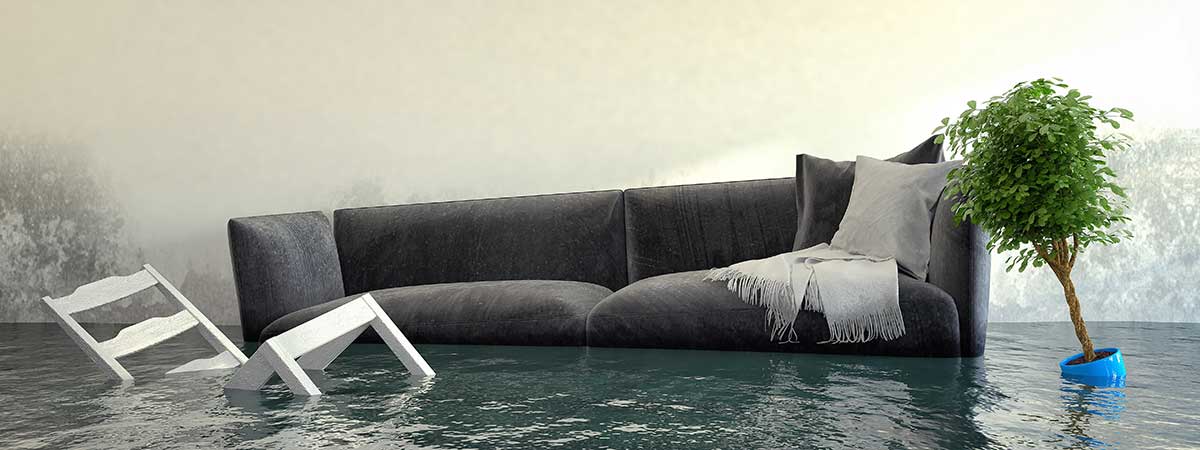
What to Do If You Come Home to a Flooded House
4 thoughts on “When Should You Shut Off the Water to Your House?”