

Once you’ve called a plumber for an urgent problem, there may be a few things you can do while waiting to help limit damage and make the problem easier to assess.
The most important thing is not trying to repair the plumbing yourself. Instead, focus on safely controlling the situation, avoiding additional water use and gathering useful information about what happened.
What you should do depends on whether you’re dealing with a leak, overflowing fixture, drainage backup, loss of water or another plumbing problem.
Stop the Water If You Can Do So Safely
If water is actively escaping from a fixture or pipe, stopping the flow can help prevent additional damage.
Some fixtures have their own shut-off valves. If the problem can be safely isolated there, you may not need to shut off water to the entire house.
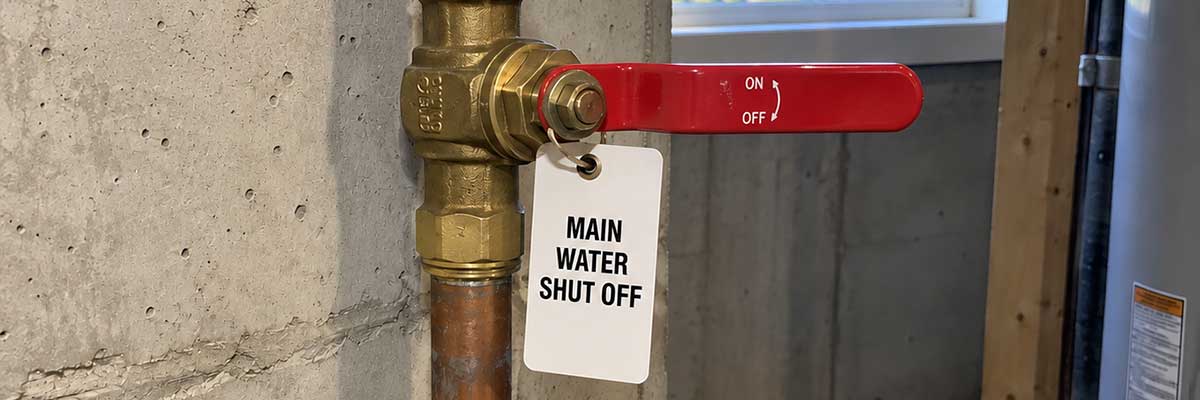
If the leak cannot be isolated and water continues escaping, the home’s main water supply may need to be turned off.
Don’t force a valve that is seized, damaged or extremely difficult to operate.
Stop Using the Affected Plumbing
Once you’ve identified a problem, avoid repeatedly testing the plumbing.
If a toilet is overflowing, don’t flush it again.
If water comes up through a shower or floor drain when another fixture is used, avoid running additional water through the drainage system.
If a leak starts every time a particular fixture is used, leave that fixture off.
Repeatedly recreating the problem can cause additional water damage and may make a drainage backup worse.
Keep People Away From Wastewater
If sewage or wastewater is backing up through a toilet, floor drain, shower or other fixture, keep people and pets away from the affected area.
Wastewater can contain contaminants and should be treated differently from clean water leaking from a supply pipe.
Avoid unnecessary contact and don’t continue using plumbing fixtures that appear to make the backup worse.
Move Belongings Away From Water
If it is safe to enter the area, move furniture, boxes and other belongings away from leaking water.
Buckets or towels may help contain a small amount of clean water, but don’t rely on them if water continues flowing.
Water can also travel farther than it initially appears. Moisture entering flooring, walls, cabinets or ceilings may spread beyond the visible wet area.
Be Careful Around Electricity
If water has reached electrical outlets, appliances, wiring, light fixtures or an electrical panel, do not enter standing water or touch affected electrical equipment.
A plumbing problem involving electrical equipment can create hazards beyond the original leak.
Electrical issues should be handled by an appropriately qualified professional.
Don’t Start Taking the Plumbing Apart
It can be tempting to dismantle a fixture or open a wall to find the source before the plumber arrives.
Usually, that isn’t necessary.
You can provide useful information simply by observing where the water first appeared, which fixtures are affected and what was happening when the problem started.
Unnecessary disassembly can make diagnosis more difficult and may create additional damage.
Take Note of What Happened
Try to remember what happened immediately before you noticed the problem.
Useful information might include:
- which fixture was being used
- where water first appeared
- whether the problem happened suddenly or gradually
- which other fixtures are affected
- whether you heard unusual sounds
- whether water pressure changed
- whether similar problems have happened before
- whether any recent plumbing or renovation work was completed
These observations can help the plumber understand the problem more quickly.
Take Photos If There Is Visible Damage
If it is safe to do so, taking a few photos of the affected area before cleaning everything up can be useful.
Photograph where the water appeared and any visible damage.
You don’t need dozens of pictures. A few clear photos can document what the area looked like when the problem occurred and may help explain symptoms that are no longer visible by the time the plumber arrives.
Make the Plumbing Area Accessible
If the affected plumbing is behind stored items, underneath a sink or in a mechanical room, clear reasonable access to the area when it is safe to do so.
You can also make sure the home’s main water shut-off is accessible.
Don’t remove walls, flooring or permanent building materials. Simply clearing belongings out of the immediate work area can make inspection easier.
Don’t Reopen the Water Just to Test It
If you’ve shut off the water because of an active leak, avoid turning it back on repeatedly to see whether the problem is still there.
The same applies to overflowing fixtures and drainage backups.
If the problem has already been clearly established, recreating it may only release more water into the home.
Wait until the affected plumbing can be properly assessed.
Know Where Your Main Shut-Off Is
Even if you haven’t needed to shut off the entire water supply, knowing the location of the main valve can be useful if the situation changes.
Every homeowner should ideally know where the valve is before an emergency happens.
If you’re unsure when the main supply should be used, read our guide on when you should shut off the water to your house.
Tell the Plumber What You’ve Already Done
When the plumber arrives, explain any steps you’ve taken.
For example, let them know if you’ve:
- shut off the main water supply
- closed a fixture shut-off valve
- stopped using certain drains
- noticed water at another fixture
- cleaned up standing water
- had previous problems in the same area
This provides a clearer picture of what happened before the current conditions changed.
Don’t Put Yourself at Risk to Protect the House
Preventing water damage is important, but not at the expense of personal safety.
Don’t enter areas with potential electrical hazards, handle contaminated wastewater unnecessarily or attempt plumbing work you are not qualified to perform.
Your job during a plumbing emergency is primarily to control what you safely can and prevent the problem from getting worse.
Emergency Plumbing Help in Kamloops
If you’re dealing with uncontrolled water, an overflowing fixture, a drainage backup or another urgent plumbing problem, Stillwater Plumbing & Heating can help determine what is causing the problem and what needs to be repaired.
If you’re still unsure whether your situation requires urgent attention, read what is considered a plumbing emergency.
For emergency plumbing services in Kamloops, call Stillwater Plumbing & Heating at (250) 819-8247.
FAQs
If water is actively escaping and you can safely isolate the affected fixture, closing its shut-off valve may help. If the leak cannot be isolated, the home’s main water supply may need to be shut off.
You can contain or remove clean water when it is safe to do so, but don’t put yourself at risk. Avoid unnecessary contact with wastewater and be particularly cautious if water is near electrical equipment.
It depends on the problem. If you suspect a drainage or sewer backup, limiting water use throughout the house may prevent additional wastewater from entering the affected system.
Generally, leave the affected plumbing intact unless there is a simple action needed to safely stop the water. A plumber can inspect the system and determine what needs to be disassembled.
If you shut off the water because of an active leak, don’t repeatedly turn it back on simply to test the problem. Leave the affected plumbing isolated until it can be properly assessed.
Explain when the problem started, where you first noticed it, which fixtures are affected, whether the problem has happened before and what you have done since discovering it.
One thought on “What to Do Before the Plumber Arrives in an Emergency”