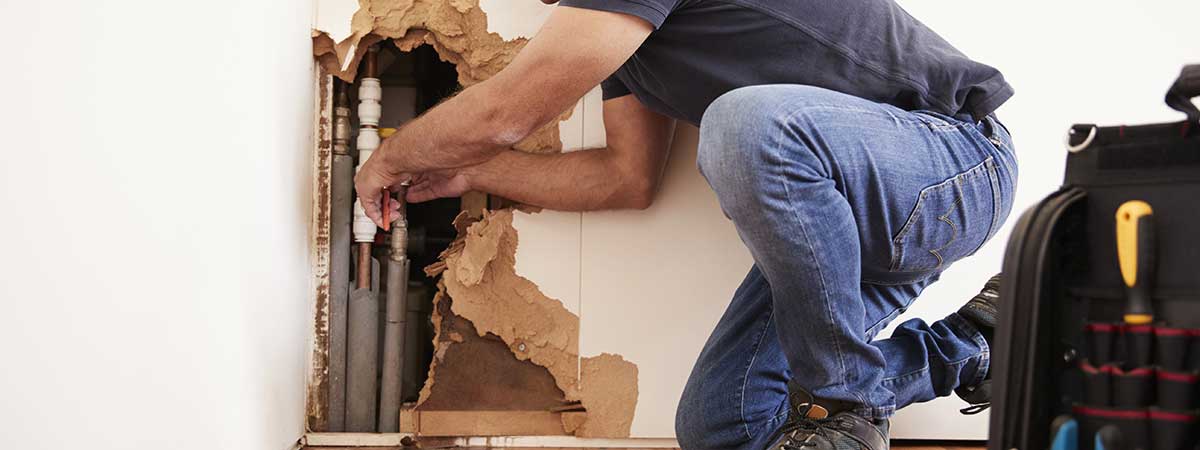

A plumbing emergency can cause considerably more damage when water is allowed to continue flowing after something goes wrong. Knowing where your shut-off valves are, recognizing the signs of a serious problem and acting quickly can help limit the amount of water that reaches floors, walls, cabinets and belongings.
You do not need to know how to repair the plumbing yourself. In many situations, the most useful thing a homeowner can do is safely stop or reduce the water and leave the actual repair to a plumber.
Know Where Your Main Water Shut-Off Is
One of the best things you can do before a plumbing emergency occurs is find your home’s main water shut-off valve.
The location varies from one home to another, but it is generally located near where the water supply enters the building or in an accessible utility area.
Make sure adults in the household know where it is and how it normally operates.
Trying to find the valve for the first time while water is spreading across a floor wastes valuable time.
Use a Fixture Shut-Off When Appropriate
Not every plumbing problem requires shutting off water to the entire house.
Toilets and some other fixtures have individual shut-off valves. If the problem can be safely isolated using one of these valves, you may be able to stop the water while keeping the rest of the home’s plumbing available.
If you cannot isolate the problem and water continues escaping, the main water supply may need to be shut off.
Don’t Keep Testing the Problem
Homeowners sometimes make a plumbing emergency worse by repeatedly testing a fixture.
If a toilet is overflowing, don’t keep flushing it.
If wastewater appears in a shower or floor drain when another fixture is used, don’t repeatedly run more water to see whether it happens again.
Once there are clear signs of a serious plumbing problem, adding more water to the system may make the situation worse.
Move Belongings Away From the Water
Once the water source has been safely controlled, protect the surrounding area where practical.
Move boxes, furniture and other belongings away from wet areas. Containers or towels may help contain a relatively small amount of clean water while you wait for the plumbing problem to be addressed.
Water that has entered walls, flooring or other building materials may require more extensive drying.
Stopping the plumbing problem and dealing with water damage are two separate parts of the situation.
Be Careful Around Electricity
Water near electrical equipment creates an additional hazard.
Do not enter standing water to reach outlets, appliances, electrical panels or other energized equipment.
If a plumbing leak has affected electrical components, the situation may require an appropriately qualified electrical professional as well as a plumber.
Protecting the building is important, but personal safety comes first.
Treat Wastewater Differently From a Clean-Water Leak
An overflowing water-supply pipe and a sewer backup both involve unwanted water, but they should not be treated exactly the same way.
Water backing up through a toilet, floor drain, shower or other drainage fixture may contain contaminants.
Avoid unnecessary contact with wastewater and keep children and pets away from the affected area.
If a drain or sewer is backing up, reducing water use throughout the home may also help prevent additional wastewater from entering the affected drainage system.
Pay Attention to Where the Water Is Coming From
You don’t need to diagnose the plumbing system yourself, but basic observations can help.
Is water coming from a fixture or underneath it?
Is it appearing through a ceiling?
Are several drains backing up at once?
Has water pressure suddenly changed?
Is water continuing to appear even when no fixtures are being used?
These details can help a plumber narrow down the source of the problem.
Don’t Rely on an Improvised Repair
Buckets, towels and other temporary measures can help contain water, but they do not repair the plumbing.
Likewise, tape, sealants or makeshift patches should not be considered permanent solutions for damaged pressurized plumbing.
Once the immediate water problem has been controlled, the cause still needs to be identified and properly repaired.
Know When the Situation Is Urgent
A minor dripping faucet does not carry the same urgency as water actively entering a wall or sewage backing up into the home.
Warning signs that deserve more immediate attention include:
- water that cannot be stopped or contained
- rapidly spreading water
- wastewater entering the home
- water near electrical equipment
- loss of water throughout the house
- multiple plumbing fixtures backing up
- a plumbing problem causing continuing property damage
If you’re unsure how serious the situation is, our guide explains when you should shut off the water to your house.
Prepare Before Something Goes Wrong
A few simple preparations can make a plumbing emergency easier to manage.
Know where your main shut-off is. Make sure it is accessible rather than buried behind stored belongings. Know which fixtures have individual shut-offs and keep Stillwater Plumbing & Heating’s phone number somewhere easy to find.
You may never need to use that information, but it is much easier to prepare before water is spreading through your home.
Emergency Plumbing Help in Kamloops
If you have an urgent plumbing problem, Stillwater Plumbing & Heating can help determine what is causing it and what needs to be repaired.
Learn more about our emergency plumbing services in Kamloops or call (250) 819-8247.
FAQs
If water is actively escaping, determine whether you can safely stop it using a fixture shut-off or the home’s main water valve. The appropriate action depends on where the water is coming from.
No. Some problems can be isolated using a fixture shut-off. The main valve becomes more important when the water cannot otherwise be controlled.
If wastewater is actively backing up, avoid unnecessary water use until the problem has been investigated. Additional water entering the drainage system can potentially worsen the backup.
Avoid entering standing water or touching electrical equipment in the affected area. Electrical hazards should be handled by an appropriately qualified professional.
They may help contain small amounts of water, but stopping the source of the leak is much more important. Water that has entered building materials may also require proper drying.
What to Do Before the Plumber Arrives in an Emergency