

Most homeowners do not think about their plumbing when everything appears to be working normally. Faucets turn on, toilets flush and drains empty, so there may seem to be little reason to inspect the system.
However, plumbing problems do not always appear suddenly. Leaks, deterioration and other issues can develop gradually before producing obvious symptoms.
There is no single inspection schedule that is right for every home. Instead, the condition and history of the plumbing should help determine when an inspection makes sense.
Older Homes May Benefit From More Attention
The older a home becomes, the more important it can be to understand the condition of its plumbing.
That does not mean older plumbing automatically needs replacement.
However, older homes may contain pipes, valves, connections and fixtures that have been in service for many years.
An inspection can help identify visible deterioration, previous repairs and other areas that may deserve closer attention.
Consider the History of the Plumbing
A home with a history of repeated plumbing problems may benefit from more frequent assessment than a home that has had few issues.
Pay attention to patterns such as:
- Recurring leaks
- Repeated drain problems
- Water-pressure changes
- Multiple previous pipe repairs
- Moisture appearing in the same areas
- Fixtures requiring frequent repair
The history of the system can provide valuable clues about its overall condition.
Have Plumbing Checked When Problems Keep Returning
One isolated plumbing problem may simply be an isolated failure.
Repeated problems are different.
If the same issue continues to return despite repairs, it may be worth looking beyond the immediate symptom.
A broader inspection can help determine whether there is an underlying problem contributing to repeated failures.
Consider an Inspection Before Renovating
A renovation can be a good time to assess plumbing, particularly when walls, floors or cabinets are going to be removed.
If plumbing will become accessible during the project, inspecting it before new finishes are installed can help identify issues while access is relatively easy.
This is particularly relevant during kitchen and bathroom renovations where plumbing fixtures or lines may also be changed.
Pay Attention Between Inspections
Professional inspections are only part of plumbing maintenance.
Homeowners should also pay attention to changes throughout the year.
Watch for:
- New water stains
- Dripping connections
- Slow drains
- Running toilets
- Changes in water pressure
- Unexpected water use
- Unusual plumbing noises
- Changes in hot-water performance
You do not need to diagnose these symptoms yourself. The important thing is recognizing when something has changed.
What Can a Plumbing Inspection Find?
The exact scope of an inspection depends on the home and the reason for the assessment.
A plumber may examine accessible parts of the plumbing system for visible problems such as leaks, deterioration or damaged components.
The inspection may also be guided by symptoms you have noticed.
For example, low water pressure, recurring drainage problems or signs of moisture may require more focused investigation.
Preventative Attention Can Reduce Surprises
The purpose of checking plumbing periodically is not to find reasons to replace components that are working properly.
It is to identify developing problems when possible and make informed decisions about maintenance and repairs.
Homeowners can perform many basic visual checks themselves. Our plumbing maintenance checklist for homeowners provides a practical starting point for monitoring the plumbing around your home.
So, How Often Should Plumbing Be Inspected?
There is no universal rule that every home needs a professional plumbing inspection at exactly the same interval.
Instead, consider factors such as:
- Age of the home
- Age and condition of the plumbing
- History of leaks
- Recurring plumbing problems
- Upcoming renovations
- Unexplained changes in system performance
If your home has older plumbing or a history of recurring problems, more frequent attention may be appropriate.
Plumbing Inspections in Kamloops
If you have concerns about your home’s plumbing, you do not need to wait for a major failure before having it assessed.
A local Kamloops plumber can investigate changes in the plumbing system and help determine whether repairs or additional maintenance are required.
Stillwater Plumbing & Heating provides plumbing services for homeowners in Kamloops. Call (250) 819-8247 if you have questions or concerns about your home’s plumbing.
Frequently Asked Questions
There is no single interval that applies to every home. The age, condition and repair history of the plumbing should help determine when an inspection is appropriate.
It can be worthwhile, particularly if you do not know the condition of the plumbing or the home has experienced recurring leaks or other problems.
A renovation can be a useful opportunity to assess plumbing that may become accessible during construction.
Leaks, stains, slow drains, pressure changes, running toilets, unusual sounds and unexpected changes in water consumption are all worth paying attention to.
No. Changes in plumbing performance, recurring problems or concerns about older plumbing can all be reasons to request an assessment.
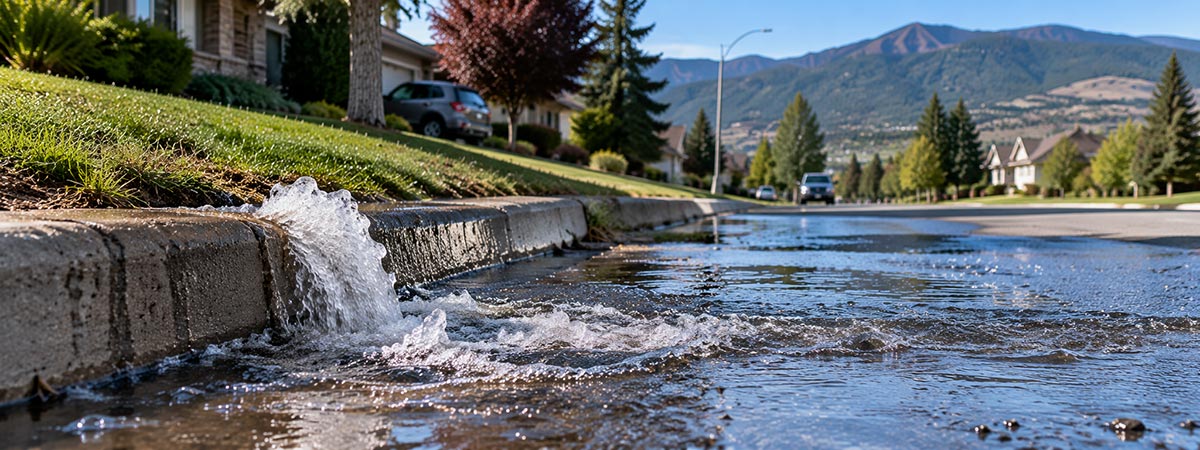
Signs You May Have a Broken Water Main
One thought on “How Often Should You Have Your Plumbing Inspected?”