

Your home’s plumbing system works every day, but much of it stays out of sight until something goes wrong. A little preventative attention can make it easier to spot leaks, drainage problems and worn components before they develop into larger repairs.
You do not need to be a plumber to keep an eye on the condition of your plumbing. Homeowners can perform simple visual checks and pay attention to changes in how fixtures and drains operate.
Use this plumbing maintenance checklist as a starting point.
Check for Visible Leaks
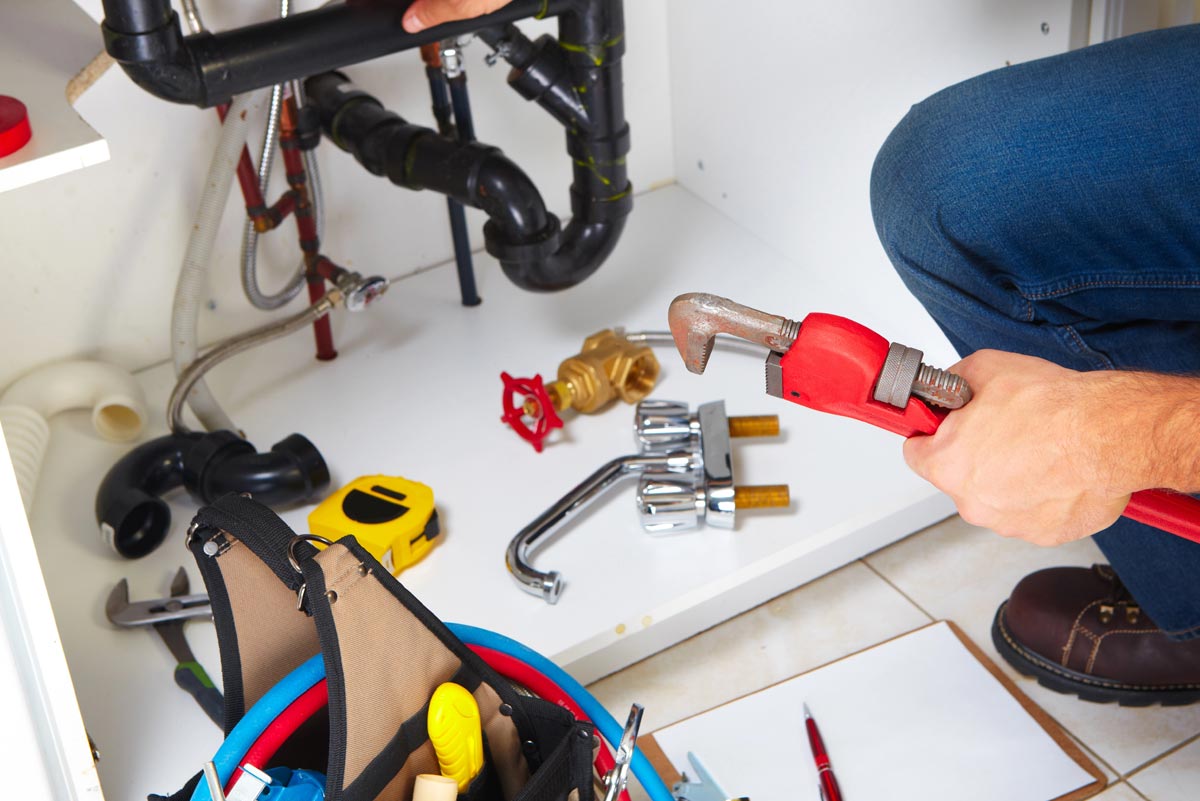
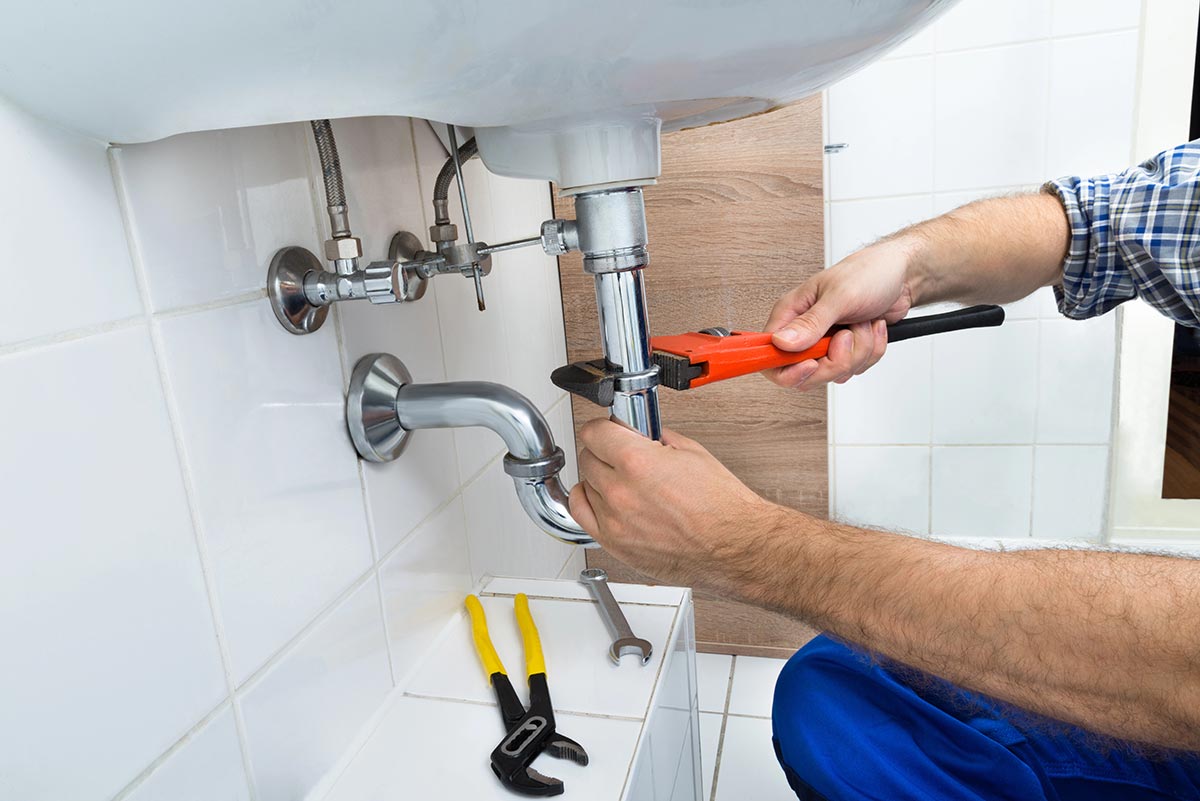
Periodically look underneath sinks and around plumbing fixtures for signs of moisture.
Check areas around:
- Kitchen sinks
- Bathroom sinks
- Toilets
- Bathtubs and showers
- Exposed plumbing connections
- Shutoff valves
- Appliances connected to water
Look for dripping water, moisture, staining, corrosion or damaged materials.
A small amount of water underneath a sink may seem insignificant, but persistent moisture can eventually damage cabinets, flooring and surrounding materials.
Pay Attention to Your Water Bill
Your water bill can provide another clue about the condition of your plumbing system.
If water consumption increases significantly without an obvious change in household use, investigate why.
Start by checking for obvious problems such as dripping faucets and toilets that continue running after they have been flushed.
An unexplained increase does not automatically mean there is a hidden leak, but it is worth investigating.
Monitor Water Pressure
Homeowners become familiar with how water normally flows from their faucets and showers.
Pay attention if that suddenly changes.
A pressure problem affecting one faucet may be associated with that particular fixture. A noticeable change throughout the home may indicate a broader issue.
Sudden or persistent pressure changes should not simply be accepted as normal.
Watch How Quickly Drains Empty
A drain that gradually becomes slower may be developing a blockage.
Pay attention to:
- Kitchen sinks
- Bathroom sinks
- Showers
- Bathtubs
A single slow drain may have a localized problem. Several drains slowing down around the same time can indicate an issue farther along the drainage system.
Addressing drainage problems while water is still moving may be easier than waiting for a complete blockage.
Check Your Toilets
Toilets can develop problems that are not always immediately obvious.
Listen for toilets that continue running after flushing or start running periodically without being used.
Also check around the base of the toilet for moisture or signs of water.
If a toilet moves or rocks when used, that is also worth investigating.
Look at Accessible Pipes and Connections
You do not need to open walls to inspect your plumbing.
Simply look at the portions of the system that are readily accessible.
Check visible pipes and connections for:
- Moisture
- Corrosion
- Discolouration
- Dripping
- Damaged fittings
- Changes from your previous inspection
Knowing what your plumbing normally looks like can make changes easier to identify.
Pay Attention to Your Water Heater
Your water heater should also be part of routine household checks.
Look around the equipment for visible water and pay attention to changes in hot-water performance.
Signs worth investigating can include:
- Water around the unit
- Less hot water than usual
- Inconsistent temperatures
- Unusual noises
- A noticeable change in performance
Do not attempt repairs or adjustments that require professional knowledge or qualifications.
Prepare Plumbing for Cold Weather
Cold weather can increase the risk of plumbing problems in areas where pipes may be exposed to freezing temperatures.
Before winter, pay particular attention to plumbing in:
- Garages
- Crawl spaces
- Exterior walls
- Unheated areas
- Outdoor plumbing locations
The goal is to identify vulnerable areas before periods of colder weather arrive.
Know Where Your Main Water Shutoff Is Located
Every homeowner should know how to locate the main water shutoff for the property.
If a major leak occurs, being able to shut off the water quickly can help limit damage while professional help is arranged.
Do not wait until water is escaping from a pipe to figure out where the shutoff is located.
Keep Track of Changes
Plumbing maintenance is largely about noticing changes.
A new stain, sound, odour, drip or pressure change can provide an early warning that something needs attention.
Our guide to common plumbing problems in Kamloops homes explains several warning signs homeowners should watch for and what they may indicate.
When to Bring in a Professional
A homeowner can monitor the plumbing system, but diagnosing and repairing plumbing problems may require professional knowledge.
If you discover a leak, recurring drainage issue, significant pressure change or another problem you cannot identify, a Kamloops plumber can inspect the system and determine what is causing it.
Stillwater Plumbing & Heating provides plumbing services for homeowners throughout Kamloops. Call (250) 819-8247 if you have discovered a plumbing problem that needs professional attention.
Frequently Asked Questions
There is no single schedule that applies to every home, but periodically checking visible plumbing, fixtures, drains and your water heater can help you notice changes earlier.
Homeowners can visually inspect accessible plumbing, watch for leaks, monitor drains and water pressure, check around fixtures and keep an eye on water consumption.
Persistent leaks should not be ignored. Even a relatively small amount of water can damage surrounding materials over time.
An unexpected increase in water use can sometimes help identify problems such as dripping fixtures, running toilets or other leaks.
An inspection may be worthwhile when a home is older, plumbing problems repeatedly occur, you are planning renovations or you notice changes you cannot explain.
How to Prevent Costly Plumbing Problems
2 thoughts on “Plumbing Maintenance Checklist for Homeowners”