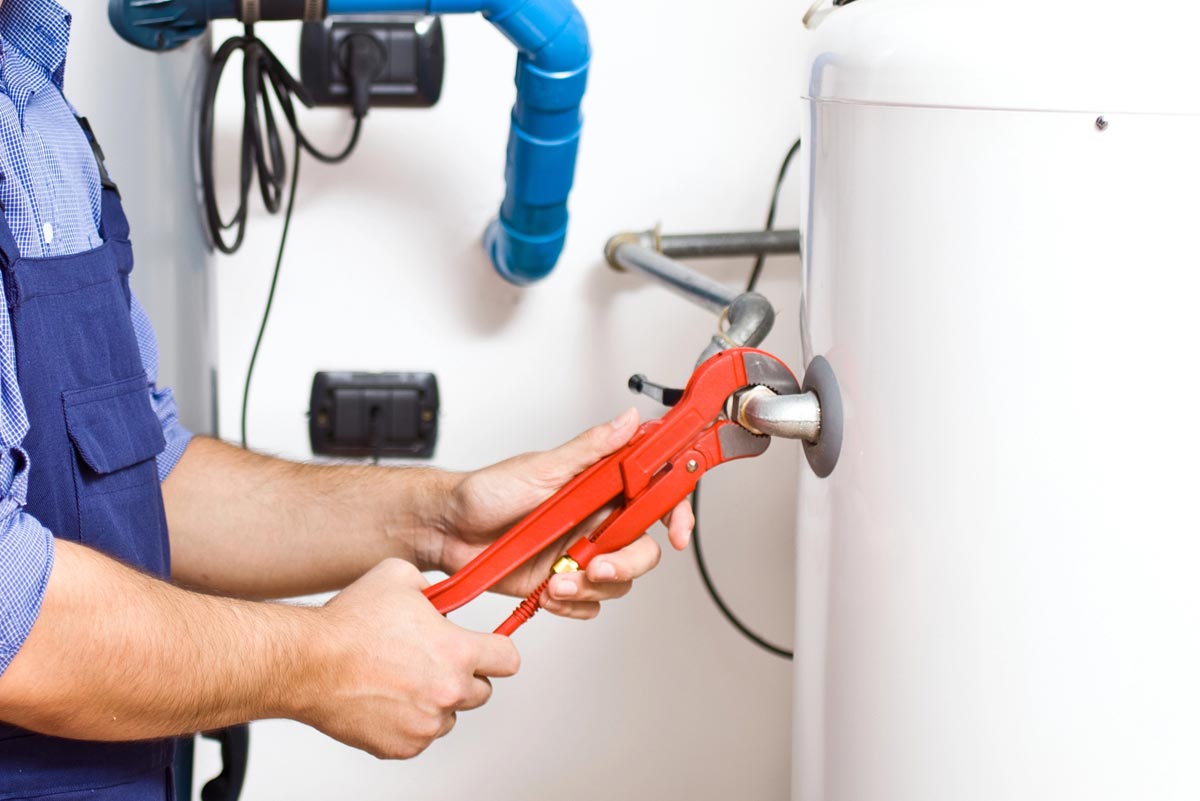

Replacing a water heater is a significant home maintenance expense, so it makes sense to take care of the equipment you already have.
There is no way to guarantee how long a water heater will last. Equipment type, installation, water conditions, household usage and the condition of individual components can all affect service life.
However, appropriate maintenance and paying attention to developing problems can help keep the system operating as intended and reduce the chance that minor issues go unnoticed.
Follow the Manufacturer’s Maintenance Recommendations
The best starting point is the information provided for your specific water heater.
Maintenance requirements vary by:
- Water heater type
- Manufacturer
- Model
- Fuel or energy source
- Installation
- Water conditions
Avoid assuming that maintenance advice for one type of water heater automatically applies to another.
If you do not have the original documentation, information may be available from the manufacturer based on the model.
Don’t Ignore Leaks
Water around a water heater should be investigated.
Even a small amount of moisture can be important because it may indicate a leaking connection, component or tank.
Early investigation may identify a repairable problem before it becomes more disruptive.
If you discover water around the equipment, our guide explains why a water heater may be leaking and why determining the source is so important.
Pay Attention to Changes in Hot-Water Performance
Homeowners become accustomed to how their water heater normally performs.
That makes changes useful warning signs.
Pay attention if:
- Hot water runs out sooner
- Water temperature becomes inconsistent
- The unit takes longer to meet demand
- Hot-water performance changes noticeably
A change does not automatically mean the water heater is failing, but it provides a reason to investigate.
Don’t Ignore New Noises
If your water heater suddenly sounds different, pay attention.
New or unusual noises can have several possible causes.
Rather than attempting to diagnose the problem based solely on the sound, note when it occurs and whether anything else about the system has changed.
That information can help when the equipment is assessed.
Keep the Area Around the Water Heater Accessible
The area around water-heating equipment should not become an inaccessible storage area.
Keeping reasonable access to the equipment makes it easier to:
- Notice leaks
- See visible deterioration
- Inspect accessible plumbing connections
- Have the equipment professionally serviced
- Respond if a problem develops
Follow the equipment manufacturer’s requirements regarding clearances and the space around the unit.
Address Small Problems Before They Grow
Ignoring a developing problem rarely improves it.
A minor leak, performance change or unusual noise may turn out to have a simple explanation.
It may also be the first indication that a component needs attention.
Having problems assessed while the water heater is still operating can give you more options than waiting until you suddenly have no hot water.
Keep Records of Repairs and Maintenance
Maintain a simple record of work performed on your water heater.
Include information such as:
- Approximate installation date
- Maintenance performed
- Repairs
- Components replaced
- Previous problems
This information becomes increasingly valuable as the equipment gets older.
If another problem occurs, you can look at the history rather than evaluating the latest repair in isolation.
Know When Continued Repairs Stop Making Sense
Maintenance is intended to keep appropriate equipment operating properly. It is not a reason to keep repairing a system indefinitely regardless of its condition.
As a water heater ages, consider its complete history.
Repeated repairs, deterioration, leakage and declining performance may eventually make replacement the more practical decision.
Have Problems Properly Diagnosed
One of the best ways to protect any plumbing equipment is to address the actual cause of a problem.
Replacing a component without understanding why it failed may not provide a lasting solution.
If something changes in the way your water heater operates, professional diagnosis can help determine what needs attention.
Water Heater Maintenance and Service in Kamloops
Stillwater Plumbing & Heating provides hot water heater services in Kamloops including water heater repair, replacement and installation.
If your water heater is showing signs of leakage, declining performance or another problem, call (250) 819-8247 to arrange an assessment.
Taking care of problems as they develop can help you get the most reasonable service life from your existing equipment while also giving you time to plan when replacement eventually becomes necessary.
Frequently Asked Questions
Can maintenance make my water heater last longer?
Proper maintenance can help equipment operate as intended and may identify developing problems. Actual service life still depends on several factors.
How often should a water heater be maintained?
Follow the manufacturer’s recommendations for your specific equipment. Maintenance requirements can vary between models and types of water heaters.
Should I flush my water heater?
Whether and how this should be done depends on the equipment and manufacturer’s instructions. Do not assume the same procedure is appropriate for every water heater.
Should I worry about a small amount of water around my water heater?
Water around the equipment should be investigated. The source could be a connection, component, condensation or the tank itself.
Is it worth maintaining an older water heater?
Maintenance can still be appropriate, but the overall condition, reliability and repair history should also be considered when deciding whether continued investment makes sense.
How Long Do Water Heaters Last?