

A water heater is one of those household systems that is easy to forget about while it is working properly. Turn on a faucet or shower and hot water appears.
Eventually, however, every water heater reaches a point where repair, declining performance or deterioration raises the question of replacement.
So how long should a water heater last?
There is no exact lifespan that applies to every unit. The type of water heater, quality of the installation, maintenance, water conditions, household usage and condition of the equipment can all influence how long it remains reliable.
Water Heater Age Is Only One Factor
Homeowners often want a specific age at which a water heater should automatically be replaced.
In practice, age is better used as one part of the decision.
Two water heaters installed in the same year can be in very different condition depending on how they have been used and maintained.
Instead of looking at age alone, consider:
- Current performance
- Condition of the equipment
- Repair history
- Evidence of leaks
- Visible deterioration
- Household hot-water requirements
An older water heater that is performing reliably presents a different situation from one of similar age that is leaking or frequently requiring repairs.
Conventional Tank Water Heaters
A conventional water heater stores heated water inside a tank.
Over time, the tank and other components are exposed to regular heating cycles and water conditions.
The actual service life can vary, which is why homeowners should become more attentive to the condition of the unit as it gets older.
Signs of declining performance or deterioration become increasingly important when evaluating an older tank.
Tankless Water Heaters
Tankless systems operate differently because they heat water as it is needed rather than maintaining a large stored supply.
They also have different components and maintenance requirements.
As with a conventional water heater, there is no reason to replace a properly operating tankless unit simply because it reaches a particular birthday.
Condition, maintenance, performance and repair history are more useful when evaluating the system.
If you’re comparing the two technologies for a future replacement, our guide to tank vs tankless water heaters explains some of the important differences.
Maintenance Can Affect Water Heater Life
Following the manufacturer’s maintenance recommendations can help keep equipment operating as intended and can provide opportunities to identify developing problems.
Maintenance requirements depend on the equipment.
Rather than applying the same maintenance routine to every water heater, homeowners should follow the recommendations for their particular make and model.
A plumber can also advise you about maintenance appropriate for the installed system.
Water Conditions Can Matter
Water conditions can influence plumbing equipment over time.
Mineral accumulation and other water-related factors may affect water-heating components and performance.
The effect will depend on the equipment and local water conditions, so maintenance should be based on the actual system rather than a generic schedule copied from another type of water heater.
Household Usage Matters
A water heater serving a household with substantial hot-water demand may operate differently from one serving a household with relatively modest demand.
Household circumstances can also change.
If more people are now living in the home or hot-water usage has increased significantly, the existing water heater may no longer meet your needs even if it is still operating.
Pay Attention to Changes in Performance
Regardless of the water heater’s age, changes in performance deserve attention.
Watch for:
- Less available hot water
- Inconsistent water temperatures
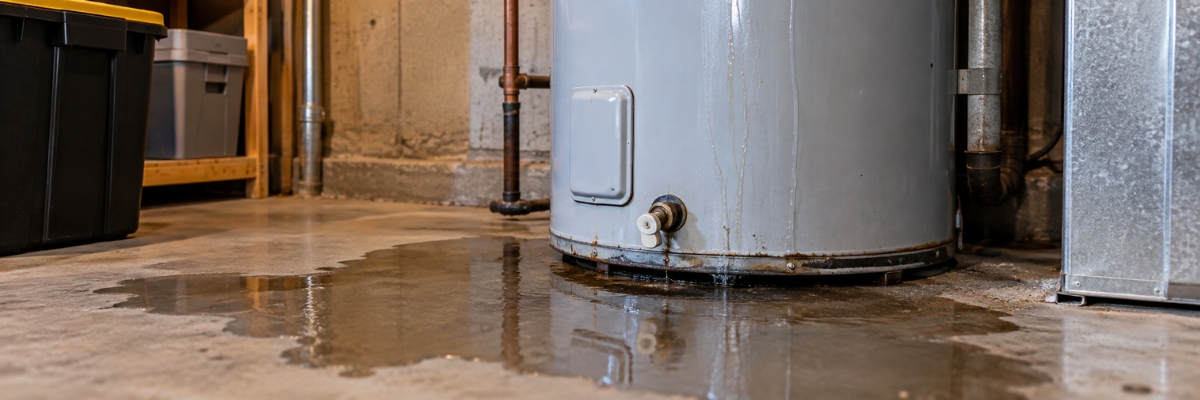
- Water around the equipment
- New or unusual noises
- Repeated repairs
- Visible deterioration
A change does not necessarily mean the water heater needs replacement, but it provides a reason to have the problem assessed.
Keep Track of the Installation Date
If possible, determine approximately when your water heater was installed and keep that information with your household maintenance records.
Knowing the age of the unit can be useful when a problem occurs.
It gives you and your plumber additional context when deciding whether a repair is worthwhile or whether replacement should be considered.
Should You Replace an Older Water Heater Before It Fails?
There is no universal answer.
If an older water heater is operating reliably and shows no obvious signs of trouble, immediate replacement may not be necessary.
If it is older and also showing signs of leakage, deterioration, poor performance or repeated repairs, planning a replacement may make more sense than waiting for the situation to become urgent.
Stillwater Plumbing & Heating provides professional water heater service in Kamloops and can assess the condition of an existing water heater.
Call (250) 819-8247 if you have concerns about the age or condition of your water heater.
Frequently Asked Questions
What is the average lifespan of a water heater?
There is no exact lifespan for every water heater. Equipment type, installation, maintenance, water conditions, usage and overall condition can all influence service life.
Should I replace my water heater because it is old?
Not based on age alone. Consider its condition, reliability, performance and repair history as well.
Can maintenance make a water heater last longer?
Proper maintenance can help equipment operate as intended and may help identify developing problems. Follow the manufacturer’s recommendations for your particular system.
How can I find out how old my water heater is?
Installation records may provide the date. Information on the equipment itself may also help identify when it was manufactured. A plumber can help if you are unsure.
Should I wait until my water heater stops working before replacing it?
Not necessarily. If an older water heater is showing signs of deterioration or declining reliability, planning ahead can avoid making the replacement decision under more urgent circumstances.
What to Do If Your Water Heater Is Leaking
One thought on “How Long Do Water Heaters Last?”